Duration
6 Days
Country
Bhutan

6 Days Bhutan Journey

Overview

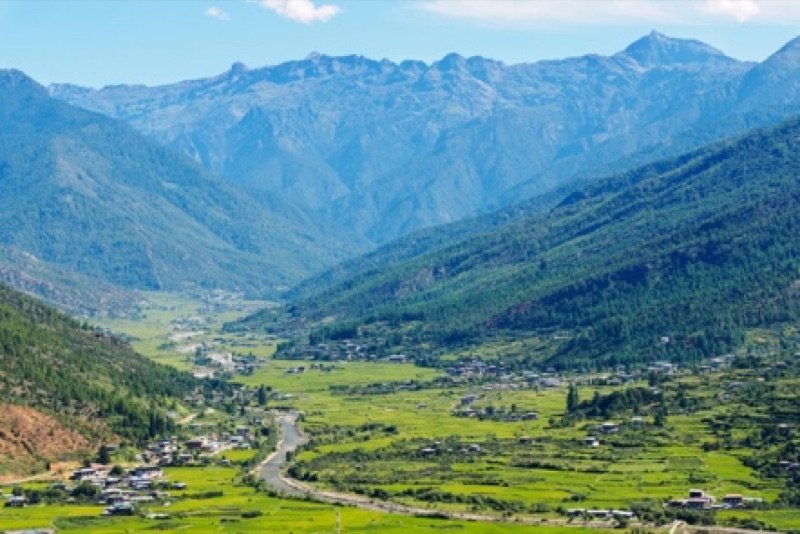
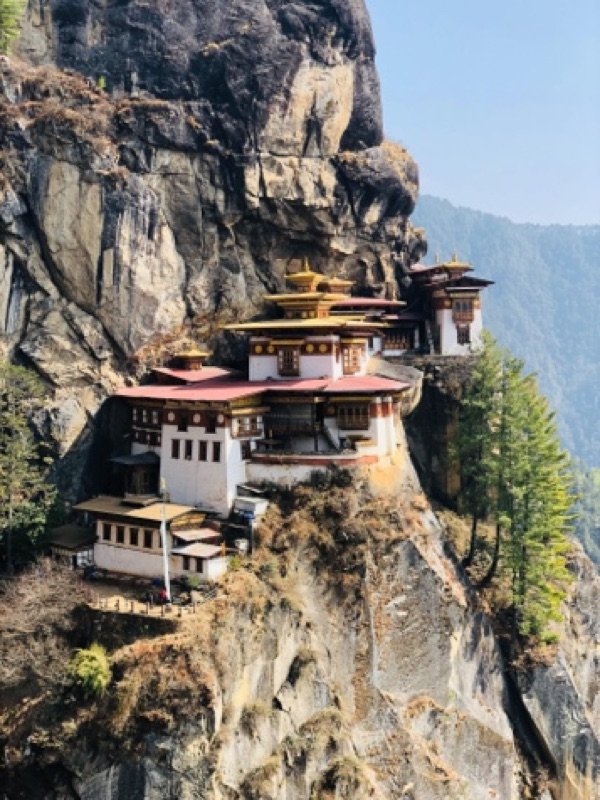
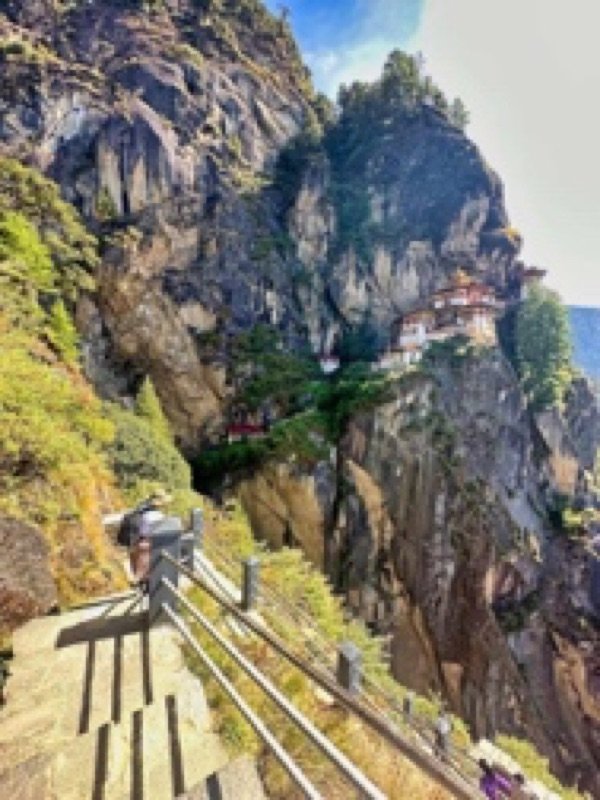
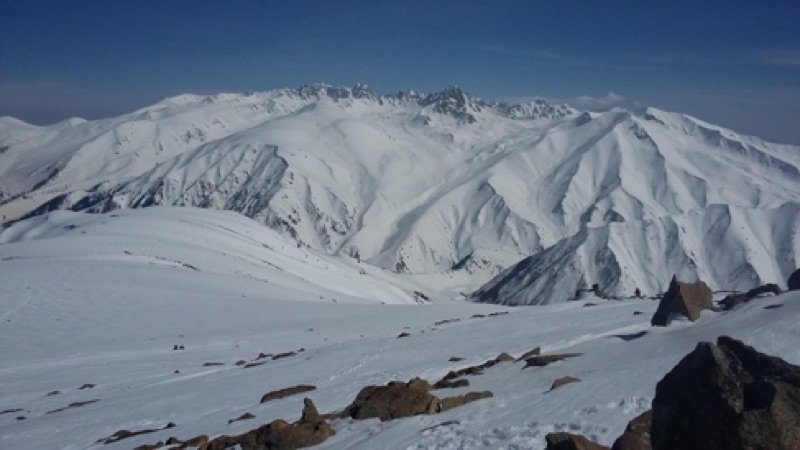
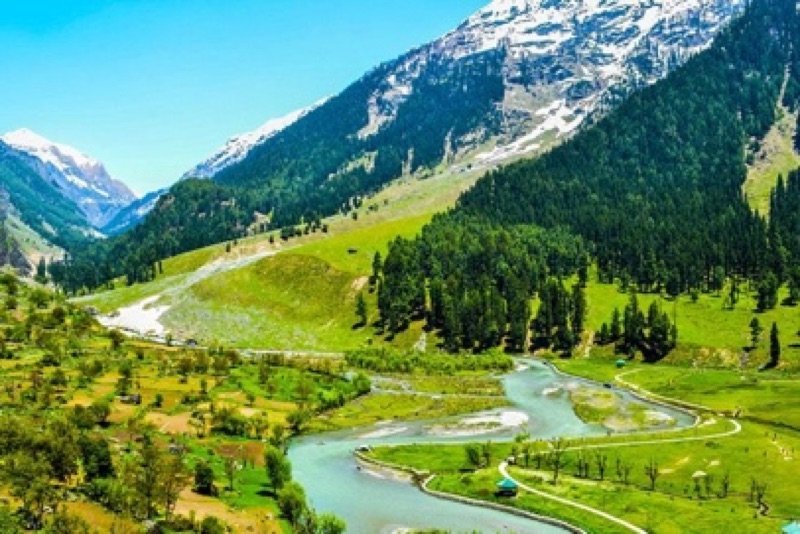
Bhutan, a Buddhist kingdom on the Himalayas’ eastern edge, is known for its monasteries, fortresses (or dzongs)and dramatic landscapes that range from subtropical plains to steep mountains and valleys. In the High Himalayas, peaks such as 7,326m Jomolhari are popular trekking destinations. Paro Taktsang monastery (also known as Tiger’s Nest) clings to cliffs above the forested Paro Valley.

Itinerary

Day1: Paro & Thimphu (Approx 1 Hour)

Thimphu Elevation: 2400 m
Paro Elevation: 2400 m

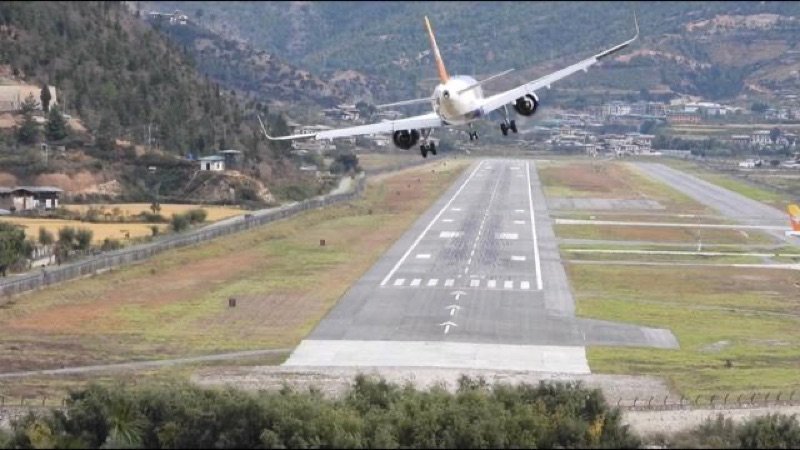
Upon arrival & clearing custom and visa control, you will be welcome by representative of company and brief by tour guide then immediately transfer to Thimphu.

Thimphu is the centre of government, religion and commerce. The capital has an interesting combination of tradition and modernity, and includes some of the most advanced and remotest parts of the kingdom. It is home to the Kings and the Royal family members, civil servants, expatriates,  politicians, business persons and monks. Enjoy this cultural mix based on livelihood. Of culture we will take you through temples, dzongs, chortens, museums, handicraft stores, nunneries, parks and many more.

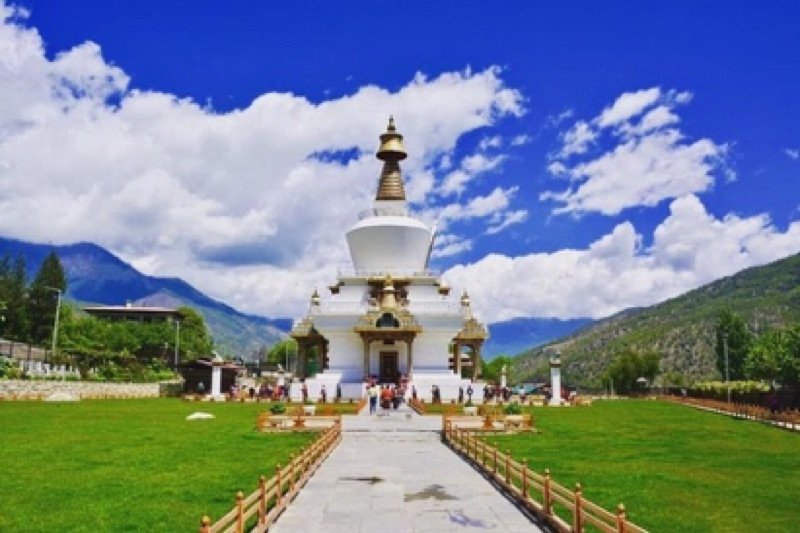
National Memorial Chorten

National Memorial Chorten – Meet the elderly generation in circumambulation at the National Memorial Chorten. Chorten means ‘Seat of Faith’ and Buddhists often call such monuments, the ‘Mind of Buddha’. Treat yourself with the fantastic depiction of Buddhist teachings in the form of paintings and sculptures at this temple. As the name denotes this National Memorial Chorten was consecrated on July 28, 1974, in memory of the Third King.

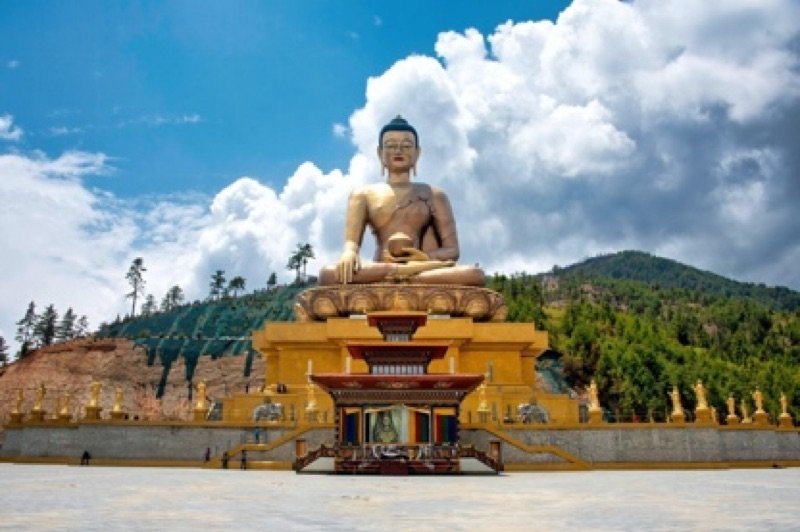
Buddha Point

Buddha Point – Located at Kuenselphodrang Nature Park, the 169 feet bronze statue of Buddha Dordenma, Vajra Throne Buddha makes it one of the largest Statue of Buddha in the world. The Buddha Dordenma symbolizes indestructibility, and it is said to emanate an aura of peace and happiness to the entire world. The Buddha statue will be completed soon. Currently a waiting for the completed paintings but visitors can drive up to the Buddha point and view the tallest statue of Lord Buddha. The view of Thimphu valley from the Buddha point is spectacular and beautiful, especially at night.

Overnight at hotel
Meals:- Lunch & Dinner.

Day 02: Thimphu

Thimphu Elevation: 2400 m

Thimphu

Thimphu is the centre of government, religion and commerce. The capital has an interesting combination of tradition and modernity, and includes some of the most advanced and remotest parts of the kingdom. It is home to the Kings and the Royal family members, civil servants, expatriates, politicians, business persons and monks. Enjoy this cultural mix based on livelihood. Of culture we will take you through temples, dzongs, chortens, museums, handicraft stores, nunneries, parks and many more. Allow yourself to meet both traditional and contemporary artist.

Wangditse day hile

Wangditse Day Hike – The walk from the Radio Tower, Wangditse is a moderate hike with great views over Thimphu. The peace road finishes at broadcast tower, which further up is adorned by fluttering prayer flags. The view of south Thimphu from here is superb. Wangditse Goemba was founded in 1750 by the attendants of Bhutan’s 8th Desi, Yeshey Rabgye. It was renovated in 2002 after it suffered serious damage in a windstorm in 1995. The goemba houses the statues of the guardian deitiesYeshey Gonpo (Mahakala), Palden Lhamo (Mahakali) and Tsheringma (the Goddess of Longevity)

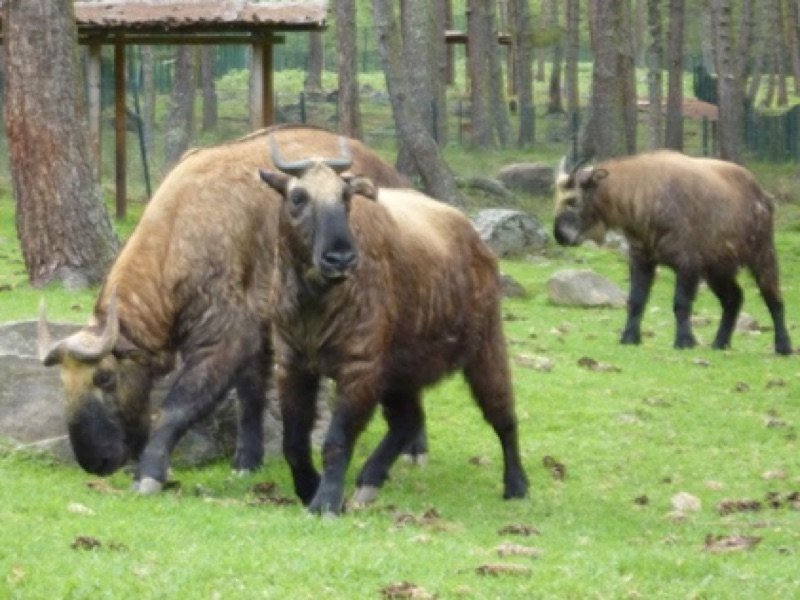
Mountang Takin Preserve

Motithang Takin Preserve – Houses the rare national animal of Bhutan. Takin is listed by international conservation agencies as a vulnerable species and it is a rare animal found only inBhutan, Nepal and Burma.

Institute of Zorig Chusum

Institute of Zorig Chusum – Commonly known as the Painting School, or the School of the Thirteen Arts, the Institute offers you a glimpse of novices learning 13 traditional arts and crafts of Bhutan. It is a hands-on trip for you. Enjoy few moments with future artists of the country.

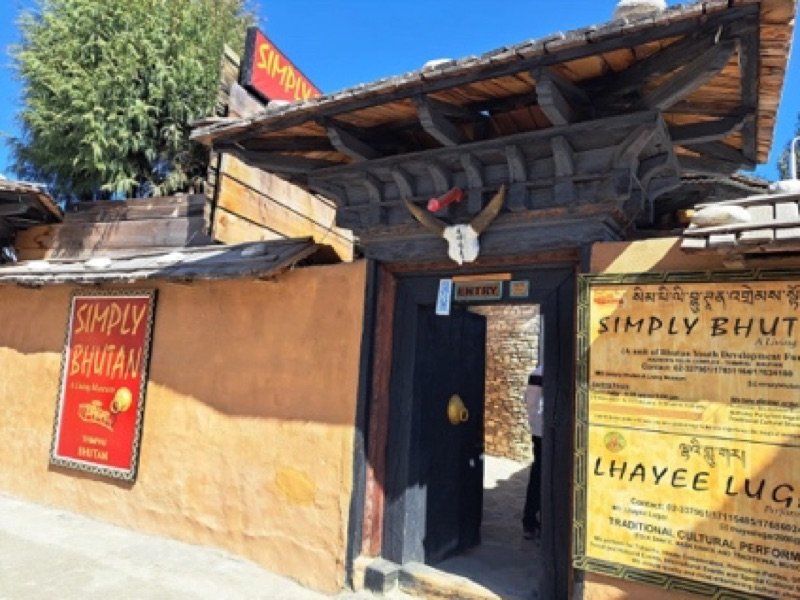
Simply Bhutan

Simply Bhutan – A living museum and a photo studio with a mission to engage and empower youth entrepreneurs through preservation, promotion and showcasing of Bhutanese tradition and cultural diversity.

Centenary Farmer’s Market

Centenary Farmers’ Market – Most of the Thimphu population congregate on the banks of Wangchhu River where the weekend market is held. Villagers from the Valley and other nearby places come to sell their wide range of agriculture products in the market. The market is by far the largest domestic market in Bhutan. A visit to the market provides great photo opportunities, as well as the chance to mingle with local people and perhaps buy souvenirs.

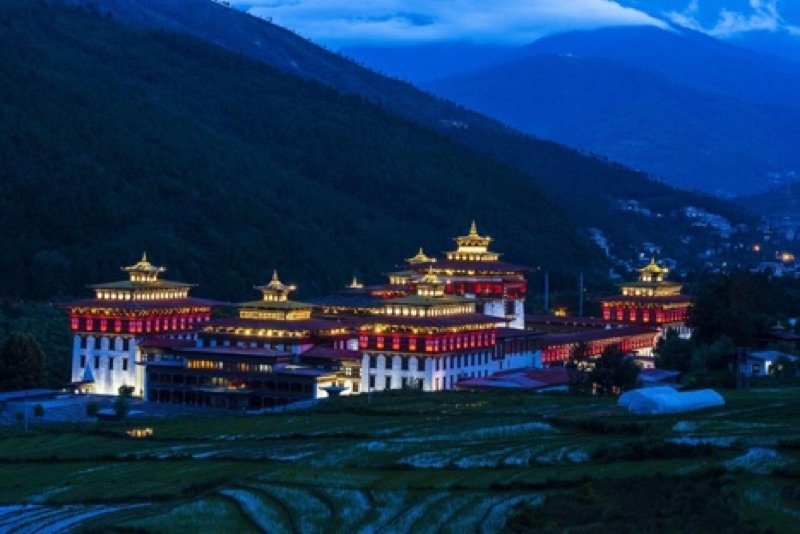
In the evening, we will visit Tashichho Dzong – The “fortress of the glorious religion” was initially erected in 1641 and rebuilt by King Jigme Dorji Wangchuck in the 1960s. Tashichho Dzong houses some ministries, His Majesty’s secretariat, and the central monk body.

Overnight at hotel
Meals:- Breakfast, Lunch & Dinner.

Day 03: Thimphu to Punakha (Approx 3 Hour)

Thimphu Elevation: 2400 m
Phunakha Elevation: 1300 m

Punakha

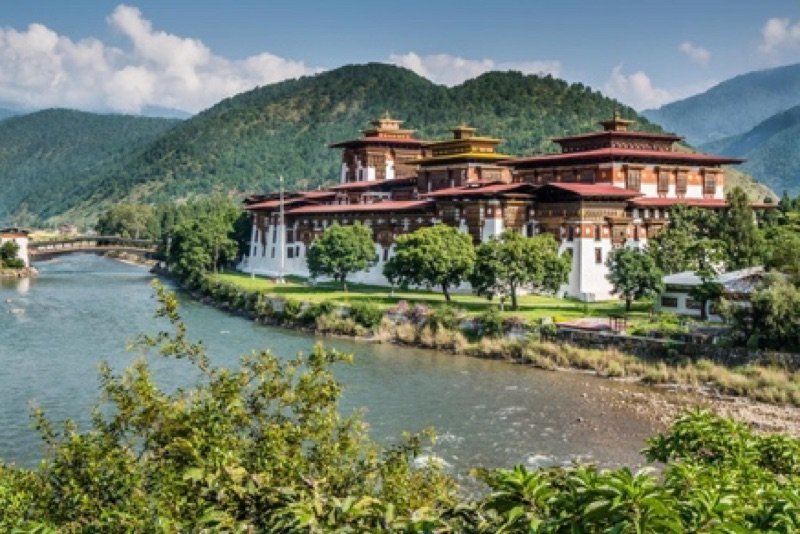
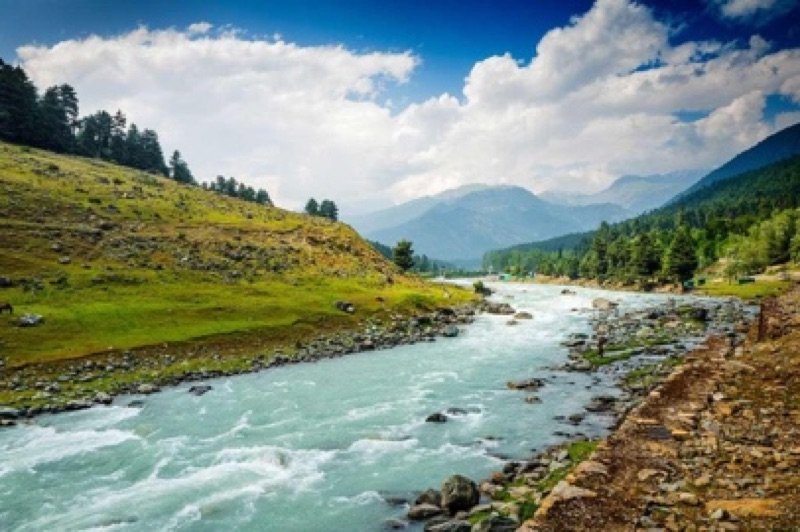
Punakha – The ancient capital of Bhutan, about two and half hour drive from Thimphu across Dochu-La Pass. Once you cross the pass, you wind down into a warm fertile valley and meander along a gently flowing aquamarine river that leads you to the Punakha Dzong, the second dzong to be built in Bhutan.

Dochula

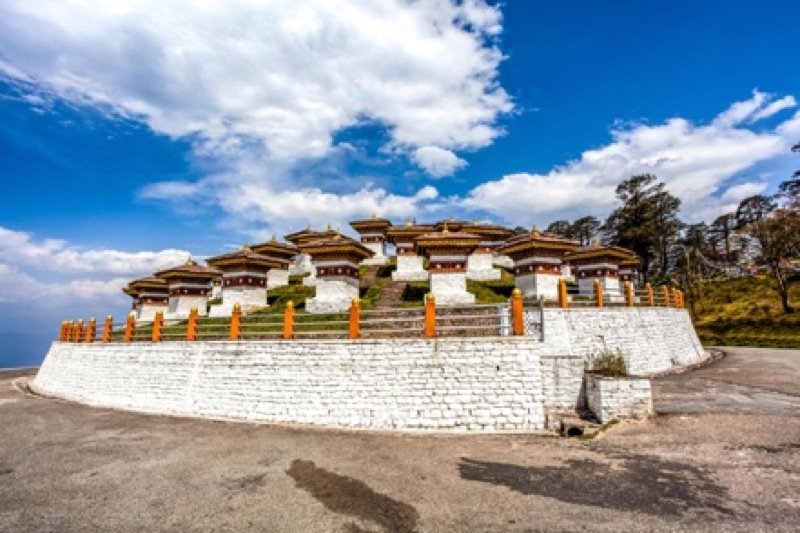
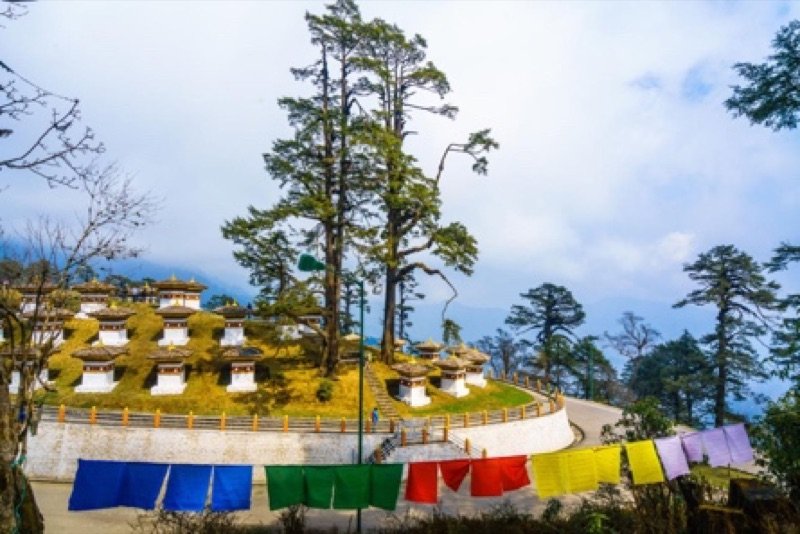
Dochula Pass – At 3,150 meter, this beautiful pass located on the way to Punakha from Thimphu offers a stunning 360-degree panoramic view of Himalaya’s mountain range with its 108 chortens that was built by Her Majesty the Queen Mother Ashi Dorji Wangmo Wangchuck. The pass is also a popular spiritual destination for both locals and tourists.

Druk Wangyal Chorten

Druk Wangyal Chorten – The construction of 108 chortens was commissioned by Her Majesty the Queen Mother Ashi Dorji Wangmo Wangchuck to commemorate the victory over the Indian militants and to liberate the souls of the
lives lost.

Chhimi Lhakhang

Chhimi Lhakhang – Chimi Lhakang also known as Fertility Temple located in the beautiful village of Sopsokha right before the junction in Lobesa. The monastery stands on a small hill close to the village of Lobesa and was constructed in 1499 by Ngawang Choegyel, the 14th Drukpaheirarch. This monastery is dedicated to Lama Drukpa Kunley ‘Divine Madman’ known for his outrageous behavior. The existing footpath to Chimi Lhakhang passes through beautiful terraces of paddy fields. It is about 30 minute walk across field from the road to the temple.

“The Divine Madman, Drukpa Kinley is a famous teacher with whom the phallic symbol is associated. Tales told by your guide would have excited you to visit Chhimi Lhakhang. The Divine Madman sits there thougha statue this time. Do not miss the master’s deeds painted on the walls. Japanese and several American couples visited this temple and were blessed miraculously with children.

Punakha Dzong

Punakha Dzong – Phunakha Dzong is placed strategically at the junction of the Pho Chu and Mo Chu rivers, the Dzong was built in 1637 by Zhabdrung Ngawang Namgyal to serve as the religious and administrative seat of the region. It was here that the dual system of government was introduced in the 17th century and in 1907, enthroned the first King GongsarUgyen Wangchuck. Damaged over the centuries by four catastrophic fires and an earthquake, the Dzong has been fully restored in the recentyears by the 4th King Jigme Singye Wangchuck.

At the Dzong enriches your trip with the opportunity to see the highest standards in woodwork. Do not miss the massive Kuenray, the Coronation Hall of all Bhutanese kings, the Dzong chung at the entrance to the Dzong and the cantilever bridge over the Mochu that has been recently renovated.

Day 04: Punakha to Paro (Approx 4 Hour)

Paro Valley

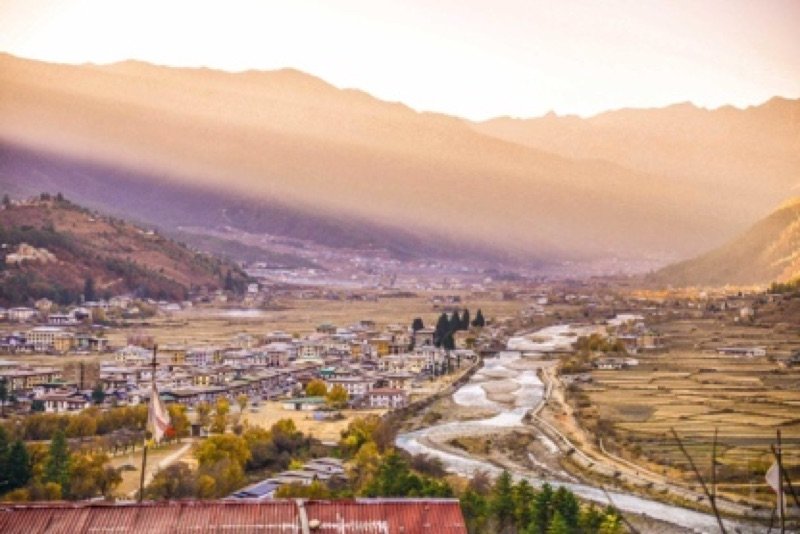
Paro Valley – The beautiful valley is home to many of Bhutan’s old monasteries and temples. The valley is also home to Mount Chomolhari (7,300 meters) situated at the northern end of the valley whose glacier water forms the Pachu flowing through the valley.

Paro Dzong

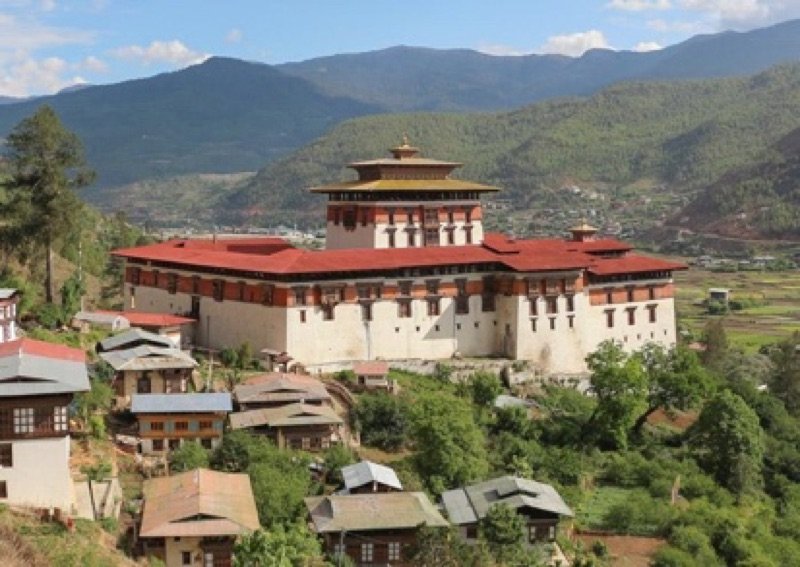
Paro Dzong (aka Ringpung Dzong) – Explore the Rinpung Dzong, which the locals call the ‘fortress of a heap of jewels’. Built in 1646 by Zhabdrung Ngawang Namgyal, the dzong stands on a hill above Paro Township. It is linked by the traditional cantilever bridge (called the Nemi Zam) over the Pa Chu where one may pose a photograph.

National Museum

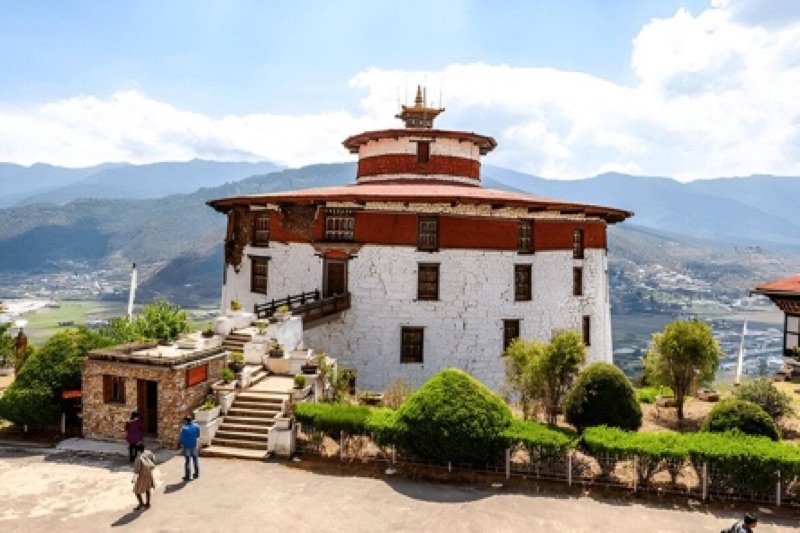
National Museum (Ta Dzong) – On a ridge immediately above Rinpung Dzong is Ta Dzong, originally built as a watchtower. In 1968, Ta Dzong was inaugurated as the first National Museum, and now holds a fascinating collection of art, relics, religious thangka paintings, Bhutan’s exquisite postage stamps, coins and handicrafts, together with a small natural history collection. Start or end your trip with a visit to this marvelous museum.

Kyichu Lhakhag

Kyichu Lhakhang – Also known as Kyichhu Temple or Lho Kyichhu, is the oldest temple in Bhutan. Just like Jambhay Lhakhang in Bumthang, it is one of the 108 temples built by the Tibetan King Songtsen Gampo to subdue and pin down an ogress that was obstructing the spread of Buddhism. According to legend, all 108 temples were built in a single night.

Go back in time and history and visit the 7th century Kyichhu temple. As the name suggests, the temple is a reservoir of peace, where you will feel at peace here. Next to the temple is the house that is turned into a museum dedicated to the late Dilgo Khyentse Rinpoche. One can come across photographs and other artifacts belonging to Rinpoche.

Overnight at hotel
Meals:- Breakfast, Lunch & Dinner.

Day 05: Day trip to Tiger’s Nest (Approx hours hike time)

Paro Elevation: 2400 m
Tiger’s Nest Monastery Elevation: 3000 m

Tiger’s Nest

Are you ready? We will be making the hike up to one of the key highlights in Bhutan today! Tiger’s Nestaka Taktsang.

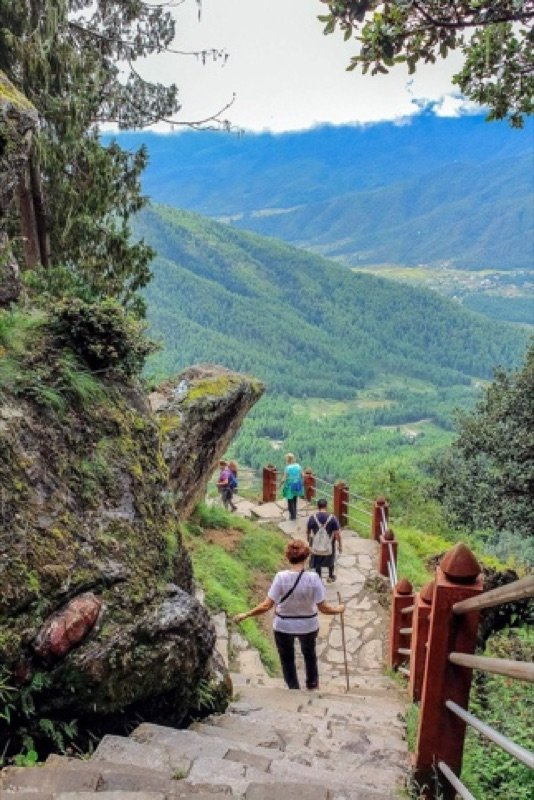
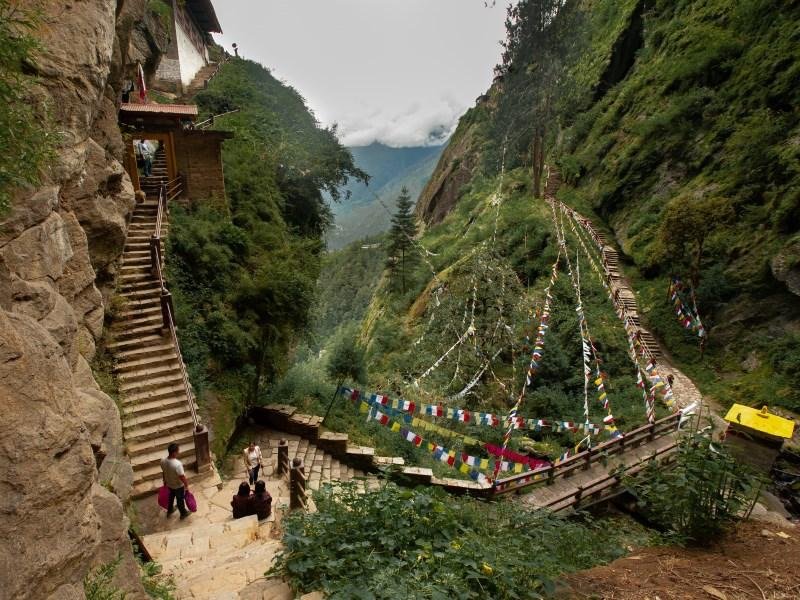
After breakfast prepare yourself for the hiking up to Tiger’s Nest Monastery. You will hike uphill for about 2 hours to get to the monastery hanging on the cliff. You will have to walk through rhododendron, pine, forests and stairs on the cliff along the way so it might be a bit tiring. You will encounter a cafeteria halfway through the monastery from where you will get the spectacular view of the valley and the surrounding landscapes. You will explore the monastery and spend some time in the serene environment and get back to the valley.

After returning back you can explore the valley. Stroll around the street, visit local markets to buy some local handmade bamboo products. Visit the National Museum which preserves some of the best pieces of art.
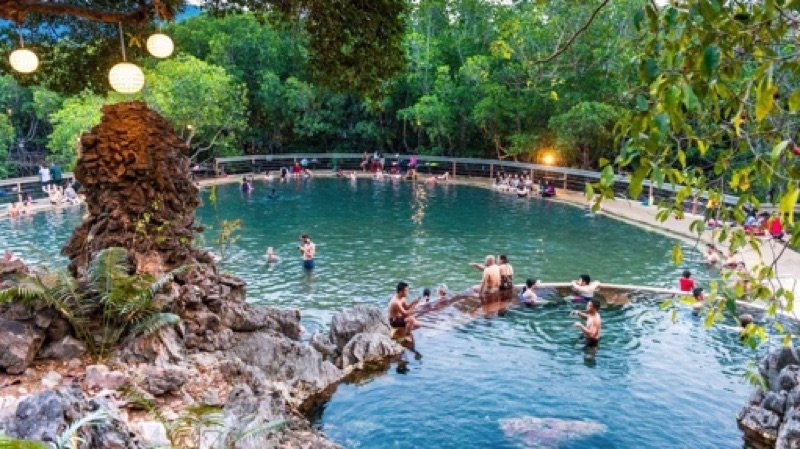
Hot Stone Bath – You can go for a locally own Hot Stone Bath, which can take two people at one time. This bath will help loosen your joints, release muscle tension and invoke a profound sense of relaxation after tiring hike. The cost is approximately USD 25/- per person. (Not included in the packages)

Overnight at hotel
Meals:- Breakfast, Lunch & Dinner.

Day 06: Departure

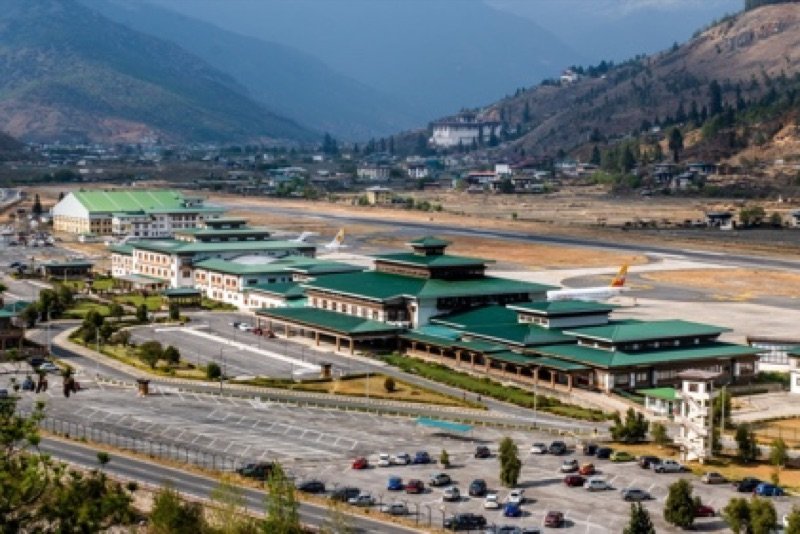
After breakfast, drive to Air Port for departure.

Tour ends….
Meals:- Breakfast

Inclusions

Accommodation at respective hotel on Single sharing basis

English Speaking Tour Guide for the entire tour.

All meals. ( Breakfast and Dinner will be served in the same hotel ) Lunch will be served in the tourist standard restaurant every day.

Transportation Toyota Coaster bus for the group.

Pick up from and drop from Paro Airport.

All Sightseeing in Bhutan.

Driver allowance, Toll taxes, Parking charges, State Taxes.
All applicable taxes.
Bhutan SDF USD. 100. per night.

Bhutan Visa Fees USD. 40

Monuments and Entry Fees.

Mineral water in the Bus
Exclusions

All beverages incl. water consumed at hotels/restaurants
Travel Insurance
Airfare to Paro & back

Hotels facilities (phone calls, laundry, internet etc)

Any personal expenses i.e laundry, telephone, Tips, etc

    Inquire Here,


    Preferred Contact Method


    Preferred Star Rating
    3★4★5★

    Meal Plan
    Breakfast OnlyHalf BoardFull BoardAll Inclusive

    Services Required


    Itineraries

    Translate »